
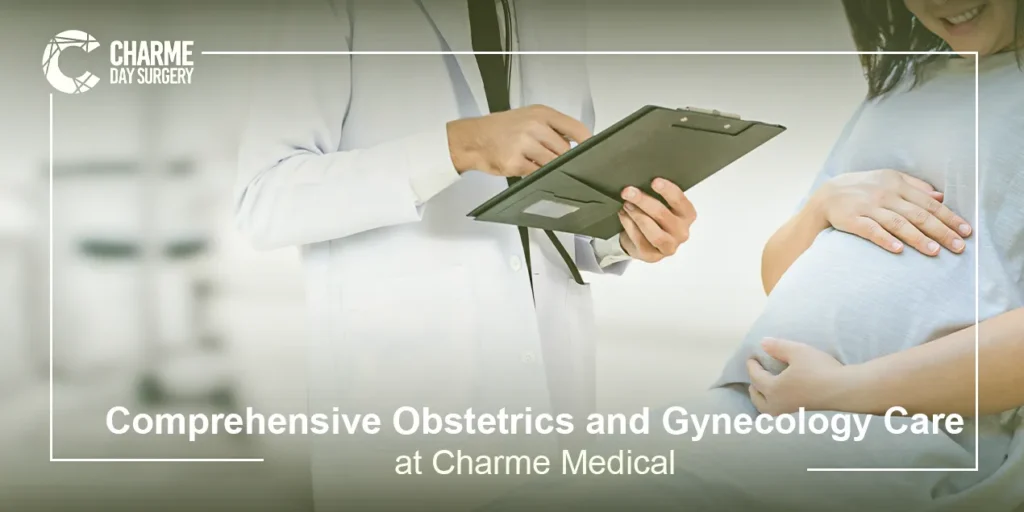
Obstetrics and Gynecology has transformed from a discipline strictly split between pregnancy management and reproductive pathology into a modern, holistic practice. Today’s women’s health clinic embraces a functional, lifelong approach, partnering with patients not only during illness or pregnancy, but to optimize intimate health, hormonal vitality, and aesthetic confidence across the lifespan.
We view the female reproductive system through an integrated lens of function and form. Guided by the rigorous clinical standards of the Collège National des Gynécologues et Obstétriciens Français (CNGOF) and the Sociedad Española de Ginecología y Obstetricia (SEGO), this article explores the expanding spectrum of care, from essential cancer screenings to advanced regenerative procedures that restore both health and quality of life.
Excellence in Obstetrics and Gynecology Services
A center of excellence in Obstetrics and Gynecology must bridge the gap between traditional medicine and modern technology. The vagina and vulva are subject to the same aging processes as the face, loss of collagen, elasticity, and hydration, yet these issues were historically ignored.
Our clinical philosophy integrates three pillars:
- Preventative Care: Rigorous screening for cancers and infection.
- Obstetric Safety: High-risk pregnancy monitoring.
- Regenerative Aesthetics: Using energy-based devices and biologics to reverse tissue aging.
General Gynecology & Women’s Health
General gynecology remains the foundation of our practice. The goal is to maintain the physiological balance of the reproductive tract.
Menstrual Disorders & PCOS Treatment
Hormonal disorders are often the first sign of systemic imbalance. We frequently see patients suffering from Polycystic Ovary Syndrome (PCOS), characterized by irregular cycles, hyperandrogenism (excess hair growth or acne), and metabolic issues.
Following the Rotterdam Criteria, we treat PCOS not just gynecologically, but metabolically.
- Cycle Regulation: Using bio-identical progesterone or oral contraceptives to protect the endometrium.
- Metabolic Control: Addressing insulin resistance (often the root cause) to restore ovulation.
- Pain Management: For endometriosis and dysmenorrhea (painful periods), we utilize a multimodal approach, sparing surgery whenever possible in favor of medical suppression of the active implants.
Infection Screening and Prevention
The Pap smear test (cervical cytology) is the single most effective cancer screening tool in history. We adhere to the Bethesda System for reporting results.
- Co-Testing: In line with European protocols, we often perform HPV (Human Papillomavirus) DNA testing alongside the Pap smear. Knowing the specific strain of HPV allows us to risk-stratify patients more accurately than cytology alone.
- Vaginal Microbiome: Chronic infections (BV, Yeast) are treated by analyzing the vaginal flora. We aim to restore the Lactobacillus dominance rather than just killing bacteria with antibiotics, which often leads to recurrence.
Aesthetic Gynecology (Cosmetic Procedures)
Aesthetic gynecology is the fastest-growing subspecialty in our field. It is not merely about “vanity”; it is about functional restoration. Many women suffer from Genitourinary Syndrome of Menopause (GSM) or laxity after childbirth, affecting their comfort and sexual function.
Laser Vaginal Tightening & Rejuvenation
Vaginal tightening via laser is a non-surgical breakthrough. We utilize fractional CO2 or Erbium:YAG lasers.
- Mechanism of Action: The laser delivers thermal energy to the vaginal mucosa. This controlled heat creates “micro-injuries” that trigger a healing response: Neocollagenesis (production of new collagen) and Angiogenesis (new blood supply).
- Clinical Benefits: This thickens the vaginal walls, increases lubrication, and tightens the canal. It is the gold standard treatment for vaginal atrophy (dryness) and mild Stress Urinary Incontinence (leaking urine when coughing/sneezing).
- The Procedure: It is painless, takes 15 minutes, and requires no downtime.
Labiaplasty (Day Case Surgery)
Labiaplasty is the surgical reduction of the labia minora. While often categorized as cosmetic, the indications are frequently functional.
- Hypertrophy: Enlarged labia can cause pain during intercourse, irritation when wearing tight clothing (like yoga pants), or discomfort during sports (cycling/spinning).
- Technique: We perform this as a “Day Case” procedure under local anesthesia. The goal is a natural contour, preserving the neurovascular edges to maintain sensitivity. We avoid the “amputated” look, striving for anatomical harmony.
O-Shot and G-Spot Amplification
Regenerative medicine has entered the intimate zone.
- The O-Shot (Orgasm Shot): This involves injecting Platelet-Rich Plasma (PRP), derived from the patient’s own blood, into the clitoris and anterior vaginal wall. The growth factors in PRP stimulate nerve regeneration and blood flow, potentially enhancing sensitivity and sexual response.
- G-Spot Amplification: A hyaluronic acid filler is injected into the G-spot area to increase its projection, potentially facilitating stimulation during intercourse.
Obstetrics: Pregnancy & Family Planning
While aesthetics manages the long term, Obstetrics manages the miracle of life. Safety is paramount.
Antenatal Care Packages
A prenatal checkup schedule is designed to detect complications before they become emergencies.
- First Trimester: We offer Non-Invasive Prenatal Testing (NIPT), a blood test that screens fetal DNA for chromosomal abnormalities (like Down Syndrome) with 99% accuracy as early as 10 weeks.
- Morphology Scan (20 Weeks): A detailed anatomical survey of the fetus.
- High-Risk Care: For mothers with pre-eclampsia or gestational diabetes, we implement strict monitoring protocols involving Doppler ultrasound to ensure placental blood flow is adequate.
Contraception Methods (IUD & Implant)
Family planning allows women to control their reproductive timeline. We advocate for Long-Acting Reversible Contraception (LARC).
- IUD (Intrauterine Device): We offer both hormonal (Mirena/Kyleena) and copper options. Ultrasound guidance is used during insertion to ensure perfect placement and minimize pain.
- Subdermal Implants: A small rod placed in the arm offering 3 years of protection.
Menopause Management and Wellness
Menopause is not a disease; it is a transition. The drop in estrogen affects bone density, heart health, and cognitive function.
- HRT (Hormone Replacement Therapy): The North American Menopause Society (NAMS) and European guidelines agree that for symptomatic women under 60, the benefits of HRT (relief from hot flashes, bone protection) outweigh the risks.
- Bio-identical Hormones: We customize therapy using transdermal patches or gels, which are chemically identical to the hormones the ovaries used to produce, minimizing liver strain compared to oral pills.
Conclusion: Empowering Women Through Specialized Care
The scope of Obstetrics and Gynecology today is vast. It encompasses the joy of childbirth, the precision of cancer screening, and the confidence of aesthetic gynecology.
Whether you require a routine Pap smear test, a prenatal checkup, or are considering vaginal tightening to restore your post-partum body, the key is to choose a women’s health clinic that respects both the medical and aesthetic aspects of your anatomy. By combining European clinical rigor with modern regenerative techniques, we empower women to live healthily and confidently at every stage of womanhood.
FAQ
What is aesthetic gynecology?
Aesthetic gynecology is a subspecialty that focuses on improving the cosmetic appearance and functionality of the female genital area. It includes non-surgical procedures like vaginal tightening (laser) and PRP injections, as well as surgical procedures like labiaplasty. It aims to treat issues caused by childbirth, aging, or genetics.
Is laser vaginal tightening painful?
No. The interior of the vagina has very few pain receptors. Most patients report feeling a mild warmth or vibration during the laser treatment, but it is not painful. Anesthesia is generally not required for the internal laser step.
How often should I visit the gynecologist?
You should have a general checkup annually. However, the frequency of the Pap smear test depends on your age and past results (typically every 3 to 5 years if co-tested with HPV). If you have specific issues like hormonal disorders or pregnancy, visits will be much more frequent.