
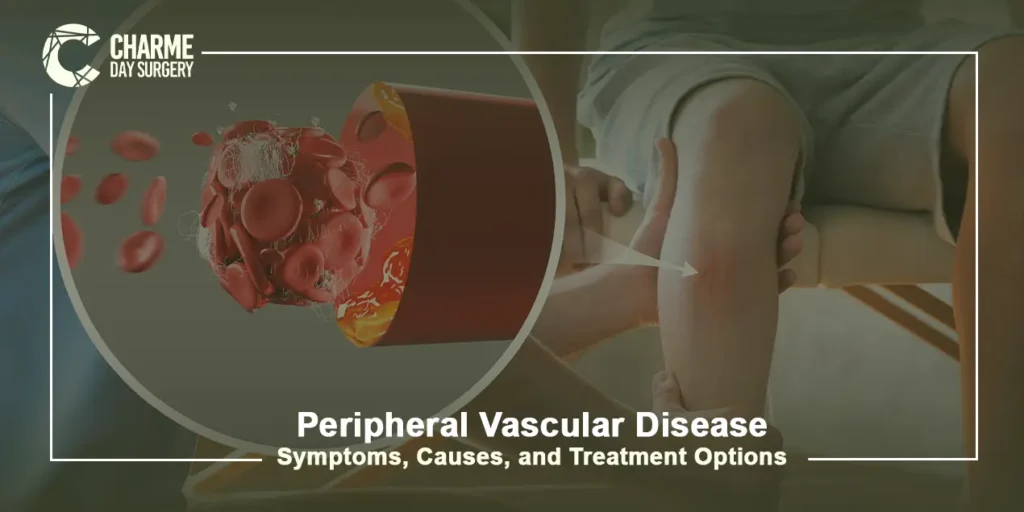
Peripheral vascular disease is a slow and progressive circulation disorder caused by the narrowing, blockage, or spasms in blood vessels outside of the heart and brain. This condition primarily affects the blood vessels that supply the legs, arms, and organs in the abdomen, leading to reduced blood flow, which can cause pain and tissue damage. While it most commonly affects the arteries, it can also involve the veins and lymphatic vessels, disrupting the essential delivery of oxygen and nutrients to the body’s extremities.
What Is Peripheral Vascular Disease?
Peripheral vascular disease (PVD) is a broad term used to describe any condition that affects the blood vessels outside the heart. These vessels are responsible for transporting blood to and from your limbs and vital organs. When these pathways become restricted, the body’s ability to function normally is compromised. PVD is often a sign of more widespread accumulation of fatty deposits in the arteries, which can indicate risks for other cardiovascular issues.
How peripheral vascular disease affects blood circulation
In a healthy body, the vascular system acts as a smooth highway for blood. However, in patients with PVD, this highway becomes obstructed. When blood flow is restricted, the muscles and tissues do not receive enough oxygen to meet their metabolic demands.
During periods of rest, the limited blood flow might be sufficient, but during physical activity, the demand for oxygen increases. Because the vessels cannot dilate or provide enough volume, the patient experiences cramping and fatigue. Over time, poor circulation can lead to skin changes, slow-healing wounds, and in severe cases, the death of tissue (gangrene).
Difference between peripheral vascular disease and peripheral artery disease
It is common for people to use the terms interchangeably, but there is a technical distinction. Peripheral vascular disease is a “parent” term that includes all diseases of the blood vessels outside the heart.
This includes problems with veins (like venous insufficiency) and lymphatic vessels. On the other hand, peripheral artery disease (PAD) is a specific type of PVD that only involves the arteries. PAD is typically caused by atherosclerosis, where plaque builds up on the arterial walls. Essentially, all PAD is PVD, but not all PVD is PAD.
Causes of Peripheral Vascular Disease
The development of vascular circulation disorders is rarely tied to a single factor. Instead, it is usually the result of a combination of lifestyle choices, genetics, and underlying health conditions. Understanding these causes is vital for effective management.
- Atherosclerosis: This is the primary cause, where cholesterol and calcium build up on vessel walls. Patients already diagnosed with moderate atherosclerotic disease are at a much higher risk of developing PVD.
- Diabetes: High blood sugar levels can damage the lining of the blood vessels over time, making them more prone to narrowing.
- Smoking: Tobacco use is one of the most significant risk factors, as chemicals in smoke cause inflammation and damage to the endothelium.
- High Blood Pressure: Constant pressure against the arterial walls causes them to stiffen and lose elasticity.
- High Cholesterol: Excess fats in the blood contribute directly to the formation of plaques.
- Age: The risk naturally increases as people get older, typically after age 50.
- Injury or Infection: Physical trauma to the limbs or chronic infections can damage localized blood vessels.
Symptoms of Peripheral Vascular Disease
One of the challenges with this condition is that many people do not experience noticeable peripheral vascular disease symptoms until the blockage is quite advanced. However, paying attention to subtle changes in the legs and feet can lead to an earlier diagnosis.
- Intermittent Claudication: This is the most common symptom, characterized by muscle pain or cramping in the legs that is triggered by walking and disappears with rest.
- Numbness or Weakness: A feeling of “heavy legs” or a loss of sensation in the extremities.
- Temperature Changes: One leg or foot may feel significantly cooler than the other due to poor blood supply.
- Skin Discoloration: The skin on the legs may appear shiny, pale, or take on a bluish tint (cyanosis).
- Slow-Healing Sores: Ulcers or wounds on the toes, feet, or legs that do not heal or take an unusually long time to close.
- Reduced Pulse: A weak or absent pulse in the feet or legs when checked by a medical professional.
- Hair Loss: A noticeable decrease in hair growth on the legs and feet.
How Is Peripheral Vascular Disease Diagnosed?
Diagnosing blocked arteries in the legs or other vascular issues begins with a thorough physical examination and a review of the patient’s medical history. Doctors often look for physical signs like weak pulses or bruits (whooshing sounds) heard through a stethoscope.
One of the primary tests used is the Ankle-Brachial Index (ABI). This non-invasive test compares the blood pressure in the ankle with the blood pressure in the arm. A significant difference between the two suggests a blockage.
Doctors may also use Ultrasound (Doppler) to visualize blood flow and identify specific areas of narrowing. For more detailed imaging, a CT angiography or Magnetic Resonance Angiography (MRA) provides a 3D view of the vascular structure. These tests help determine the exact location and severity of the blockage, which is essential for planning treatment.
Treatment Options for Peripheral Vascular Disease
The goals of treatment are twofold: managing the symptoms to improve mobility and reducing the risk of serious complications like a heart attack or stroke. Treatment plans are usually customized based on the severity of the disease.
- Lifestyle Modifications: Quitting smoking is the most impactful step a patient can take. Additionally, a heart-healthy diet and structured exercise programs can help build collateral circulation.
- Medications: Doctors may prescribe antiplatelet agents (like aspirin) to prevent blood clots, statins to lower cholesterol, and medications specifically designed to improve walking distance in PAD patients.
- Angioplasty and Stenting: This is a minimally invasive procedure where a small balloon is inflated inside the artery to widen it. A metal mesh tube (stent) is often placed to keep the vessel open.
- Bypass Surgery: If a blockage is too long or hard to treat with angioplasty, surgeons can create a detour using a graft (either a vein from the patient or a synthetic tube) to reroute blood around the blockage.
- Atherectomy: A specialized tool is used to shave off or vaporize the plaque inside the artery.
The Connection Between PVD and Cognitive Health
It is important to recognize that vascular health is not localized only to the legs. The same processes that cause blockages in the limbs can affect the small vessels in the brain. When blood flow to the brain is chronically reduced due to vascular damage, it can lead to cognitive decline.
This condition is known as vascular dementia. Maintaining healthy peripheral circulation is often a strong indicator of overall vascular health, including the health of the vessels supporting the brain.
Preventing Complications of Peripheral Vascular Disease
Preventing the progression of PVD requires a proactive approach to health. Since the condition is systemic, managing it effectively protects the entire cardiovascular system.
Importance of early treatment
Treating PVD in its early stages can prevent debilitating complications. When caught early, lifestyle changes and medication are often enough to stop the progression. If left untreated, the lack of blood flow can lead to “critical limb ischemia,” which involves constant pain even at rest and carries a high risk of amputation. Early intervention also reduces the systemic strain on the heart, lowering the likelihood of cardiac events.
Long-term follow-up and vascular care
PVD is a chronic condition, meaning it requires lifelong management. Regular check-ups with a vascular specialist are necessary to monitor the stability of the blood vessels. Long-term care involves periodic imaging, blood pressure monitoring, and adjustments to medications. Patients must also be diligent about foot care because circulation is poor; even a small blister can turn into a serious infection. Wearing proper footwear and inspecting the feet daily are simple but critical habits for those living with PVD.
FAQ
Is peripheral vascular disease serious?
Yes, it is a serious condition. If left unmanaged, it can lead to severe pain, non-healing wounds, amputation, and an increased risk of heart attack or stroke.
What are the early signs of peripheral vascular disease?
The most common early sign is leg pain or cramping during physical activity (claudication) that goes away with rest. Other signs include cold feet and slow-growing toenails.
Is peripheral vascular disease the same as peripheral artery disease?
Not exactly. PVD is a general term for all blood vessel disorders outside the heart, while PAD specifically refers to blockages in the arteries.