

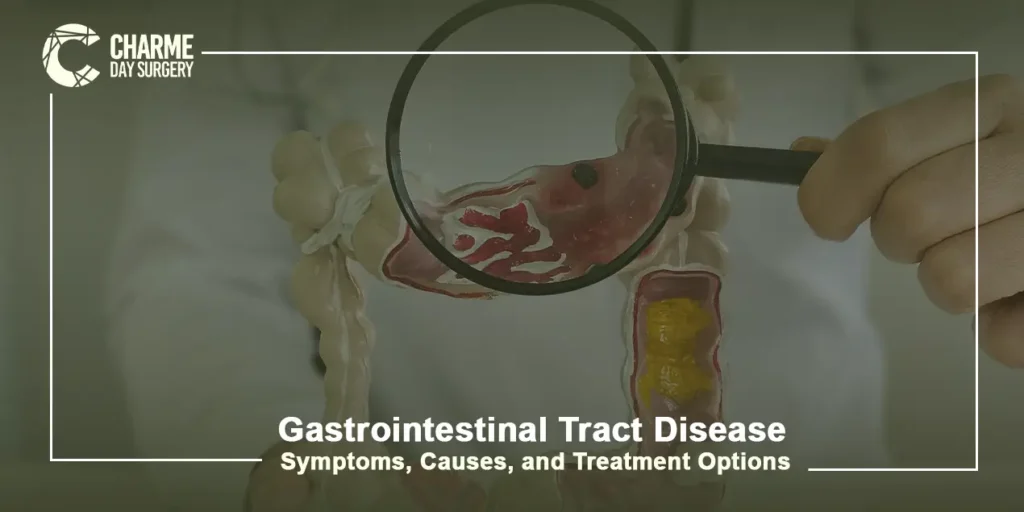
Gastrointestinal tract disease refers to any medical condition that affects the organs within the digestive system, ranging from the esophagus and stomach to the small and large intestines, as well as the liver, gallbladder, and pancreas. These conditions can interfere with the body’s ability to process food, absorb essential nutrients, and eliminate waste efficiently. Because the digestive system is a complex, interconnected network, a disorder in one area often impacts the function of the entire tract, leading to a wide variety of symptoms that can range from mild discomfort to life-threatening complications.
What Is a Gastrointestinal Tract Disease?
A gastrointestinal tract disease encompasses a broad spectrum of disorders that disrupt the normal functioning of the digestive system. The GI tract is essentially a long, continuous tube that starts at the mouth and ends at the anus. Any structural or functional abnormality along this path is classified as a gastrointestinal tract disorder.
Physicians generally categorize these diseases into two main groups:
Functional disorders:
They are those where the bowel looks normal during an examination but does not move or function correctly. Common examples include irritable bowel syndrome (IBS) and constipation.
Structural disorders:
They occur when the bowel looks abnormal and fails to work properly. Examples include hemorrhoids, diverticular disease, colon polyps, and inflammatory bowel disease (IBD). Understanding the distinction is vital for accurate diagnosis and effective long-term management.
How GI Tract Diseases Affect Digestion
The primary role of the digestive system is to break down food into nutrients, which the body uses for energy, growth, and cell repair. When digestive system diseases occur, this process is compromised. Digestion involves several mechanical and chemical stages.
First, food is broken down in the stomach by acids and enzymes. Then, it moves into the small intestine, where the majority of nutrient absorption takes place. Finally, the large intestine absorbs water and prepares waste for excretion. When a disease affects the GI tract, it can impede peristalsis, the muscle contractions that move food along.
Common Types of Gastrointestinal Tract Diseases
The digestive system is divided into the upper and lower tracts, each susceptible to different types of diseases of the digestive tract.
Upper Gastrointestinal Tract Diseases
The upper GI tract includes the esophagus, stomach, and the first part of the small intestine (duodenum). Common conditions in this area often relate to acid regulation and mucosal integrity.
- Gastroesophageal Reflux Disease (GERD): A chronic condition where stomach acid frequently flows back into the esophagus, causing irritation and heartburn.
- Peptic Ulcers: Open sores that develop on the inside lining of the stomach and the upper portion of the small intestine, often caused by H. pylori bacteria or long-term use of NSAIDs.
- Gastritis: Inflammation of the stomach lining that can be acute or chronic, often resulting in indigestion and upper abdominal pain.
- Barrett’s Esophagus: A complication of long-term GERD where the lining of the esophagus changes, increasing the risk of esophageal cancer.
Lower Gastrointestinal Tract Diseases
The lower GI tract consists of the remainder of the small intestine and the entirety of the large intestine (colon and rectum). Disorders here often involve inflammation or motility issues.
- Inflammatory Bowel Disease (IBD): This includes Crohn’s disease and ulcerative colitis. These are autoimmune conditions where the body attacks the digestive tract, causing severe inflammation, ulcers, and scarring.
- Irritable Bowel Syndrome (IBS): A common functional disorder that affects the large intestine, causing cramping, abdominal pain, bloating, gas, and altered bowel habits.
- Celiac Disease: An immune reaction to eating gluten, a protein found in wheat, barley, and rye, which damages the small intestine over time.
- Diverticulitis: Small, bulging pouches (diverticula) that can form in the lining of the digestive system become inflamed or infected.
Know more about: gastrointestinal syndrome
Symptoms of Gastrointestinal Tract Disease
Recognizing GI tract disease symptoms early is essential for preventing long-term damage to the digestive organs. Symptoms can vary significantly depending on the location and severity of the condition, but common indicators include:
- Persistent Abdominal Pain: Cramping or sharp pains that occur regularly.
- Bloating and Gas: Excessive buildup of air in the digestive tract.
- Changes in Bowel Habits: Chronic diarrhea, constipation, or a mixture of both.
- Nausea and Vomiting: Often associated with upper GI issues or obstructions.
- Rectal Bleeding: Blood in the stool or on toilet tissue.
- Unexplained Weight Loss: Losing weight without changes in diet or exercise, which may indicate malabsorption.
- Heartburn: A burning sensation in the chest, particularly after eating.
When Symptoms Become a Medical Concern
While many people experience occasional indigestion, certain “red flag” symptoms require immediate medical intervention. If you experience:
- Difficulty swallowing (dysphagia).
- Persistent vomiting
- Severe abdominal tenderness or black, tarry stools.
These signs can indicate internal bleeding, obstructions, or severe inflammation that could lead to perforation of the intestinal wall.
Causes and Risk Factors of GI Tract Diseases
Developing gastrointestinal problems is often the result of a combination of genetic, environmental, and lifestyle factors. Understanding these risks can help in the prevention and early management of various conditions.
- Dietary Habits: Diets low in fiber and high in processed foods or red meats are linked to higher rates of colorectal cancer and diverticulitis.
- Genetics: Many conditions, such as Crohn’s disease and Celiac disease, have a strong hereditary component.
- Infections: Bacterial infections like H. pylori or viral infections can trigger chronic inflammation in the gut.
- Medications: Overuse of nonsteroidal anti-inflammatory drugs (NSAIDs) like ibuprofen can damage the stomach lining.
- Stress and Mental Health: The gut-brain axis is a powerful connection; chronic stress can exacerbate functional disorders like IBS.
- Lifestyle Factors: Smoking and excessive alcohol consumption are significant risk factors for esophageal and stomach cancers.
How Are Gastrointestinal Tract Diseases Diagnosed?
Accurate diagnosis is the first step toward effective treatment. Because many GI disorders share similar symptoms, doctors use a multi-step approach to pinpoint the exact cause of distress.
Medical History and Physical Examination
The diagnostic process begins with a detailed review of the patient’s medical history, family history, and current symptoms. During a physical exam, a doctor may palpate the abdomen to check for tenderness, masses, or swelling.
They will also discuss the frequency and consistency of bowel movements to determine if the issue is likely functional or structural.
Endoscopy, Imaging, and Laboratory Tests
To see what is happening inside the digestive tract, specialized tests are often required:
- Endoscopy: A procedure where a flexible tube with a camera is inserted through the mouth to examine the esophagus and stomach.
- Colonoscopy: Similar to an endoscopy, but the tube is inserted through the rectum to view the entire large intestine.
- Imaging Tests: CT scans, MRIs, and X-rays (often using barium swallows) provide a detailed view of the anatomy and can detect obstructions or tumors.
- Laboratory Tests: Blood tests check for markers of inflammation or anemia, while stool samples can detect infections, parasites, or hidden blood.
Treatment Options for Gastrointestinal Tract Disease
Treatment for gastrointestinal tract disease is highly individualized, focusing on symptom relief, healing the digestive tract, and preventing flare-ups.
- Dietary Modifications: For many, changing what they eat is the most effective treatment. This may include a high-fiber diet for constipation, a gluten-free diet for Celiac disease, or a low-FODMAP diet for IBS.
- Pharmacological Therapy: Medications such as proton pump inhibitors (PPIs) for acid reflux, immunosuppressants for IBD, or antibiotics for infections are commonly prescribed.
- Lifestyle Changes: Reducing stress, quitting smoking, and increasing physical activity can significantly improve gut motility and overall health.
- Probiotics: In some cases, introducing “good” bacteria can help restore the natural balance of the gut microbiome.
When Specialist or Surgical Care Is Needed
In cases where medication and lifestyle changes are insufficient, a gastroenterologist may recommend surgical intervention. Surgery is often necessary for conditions like severe Crohn’s disease, where damaged sections of the intestine must be removed, or for gallbladder removal in the case of gallstones.
Additionally, surgical procedures are used to treat hiatal hernias or to remove cancerous tumors within the GI tract. Early detection through regular screenings, such as colonoscopies, can often prevent the need for more invasive surgeries later in life.
FAQ
What are the most common gastrointestinal tract diseases?
The most frequently diagnosed conditions include GERD (acid reflux), irritable bowel syndrome (IBS), and hemorrhoids. However, food intolerances, such as lactose intolerance and Celiac disease, are also increasingly common globally.
Can gastrointestinal tract diseases be chronic?
Yes, many GI diseases like Crohn’s disease, ulcerative colitis, and GERD are chronic conditions. While they may not have a permanent cure, they can be managed effectively through medication, diet, and regular monitoring by a healthcare professional.
When should I see a doctor for digestive symptoms?
If your symptoms last more than two weeks, or if you notice any of the “red flags” like blood in your stool or sudden weight loss, don’t wait. A quick check-up can make you better.