For decades, the standard approach to venous disease was “vein stripping,” a traumatic surgical procedure involving incisions and removal of the saphenous vein. However, the field of phlebology has undergone a significant transformation. Today, varicose vein treatment has shifted toward minimally invasive, “office-based” procedures that prioritize hemodynamics and patient comfort over aggressive surgery.
Chronic Venous Insufficiency (CVI) is not merely a cosmetic concern; it is a progressive vascular condition. Modern technology, specifically endovenous thermal ablation and medical adhesives, has alleviated these concerns. This article explores the best varicose veins Treatment, the clinical science behind these advancements, and explains why they are now the gold standard for restoring vascular health.
What Causes Varicose Veins?
To understand the treatment, you must know the failure of the venous system. Unlike arteries, which use the heart’s pumping pressure, veins in the legs must work against gravity to return blood to the heart. They rely on one-way valves and the “calf muscle pump” to facilitate this upward flow.
Varicose veins occur when these valves become incompetent (reflux). When a valve fails to close properly, blood flows backward (retrograde flow) and pools in the lower extremities. This increased venous pressure causes the vein walls to stretch, bulge, and become tortuous. Factors such as genetics, prolonged standing, obesity, and hormonal changes during pregnancy significantly increase the risk of valve failure.
Symptoms: Pain, Heaviness, and Swelling
The clinical presentation of venous disease is classified using the CEAP system (Clinical, Etiological, Anatomical, and Pathophysiological). While many seek varicose vein removal for aesthetic reasons, the underlying symptoms can be debilitating:
- Pain and Aching: A persistent dull ache that typically worsens toward the end of the day.
- Heaviness: A sensation that the legs are “weighted down,” particularly after long periods of sitting or standing.
- Swollen Legs Treatment: Also known as peripheral edema, this swelling occurs because the high pressure in the veins forces fluid into the surrounding tissues.
- Skin Changes: Left untreated, chronic reflux can lead to lipodermatosclerosis (thickening of the skin) and eventually venous stasis ulcers, which are notoriously difficult to heal.
- Night Cramps and Restless Legs: Frequent occurrences of nocturnal “charley horses” are often a secondary symptom of underlying venous hypertension.
Advanced Varicose Veins Treatment Options in Dubai
The primary goal of modern treatment is to permanently close the diseased vein. Once the refluxing vein is closed, the body naturally reroutes blood flow through healthy, functional veins within the deep venous system.
Laser Treatment (EVLA): The Gold Standard
EVLA (Endovenous Laser Ablation) has effectively replaced traditional vein stripping as the preferred minimally invasive alternative.
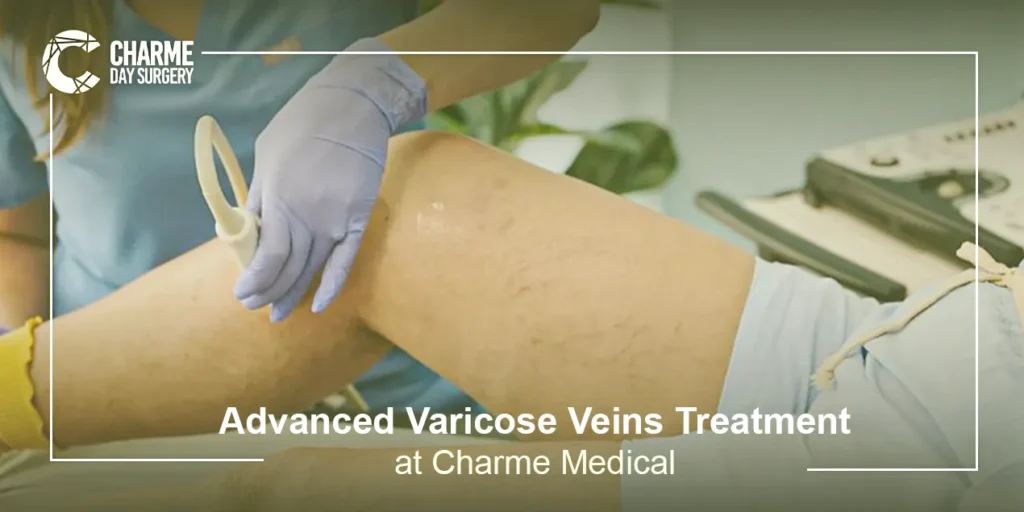
- The Procedure: Under real-time ultrasound guidance, a thin laser fiber is inserted into the diseased vein through a small puncture site. The specialist then applies “tumescent anesthesia”, a specialized saline-based numbing fluid, around the vein to protect surrounding tissues.
- How it Works: The laser emits concentrated thermal energy (typically at a wavelength of 1470 nm), which causes the vein wall to collapse and seal shut.
- Clinical Efficacy: Clinical data from the European Society for Vascular Surgery (ESVS) shows a long-term success rate of over 95%, with significantly less bruising and pain compared to surgery.
VenaSeal (Glue) Treatment: No Heat, No Pain
For patients seeking the most comfortable swollen legs treatment, VenaSeal represents the latest advancement in non-thermal vein closure techniques.
- The Mechanism: Instead of using heat to close the vein, VenaSeal uses a medical-grade cyanoacrylate adhesive (a type of surgical glue).
- The Advantage: Because no thermal energy is involved, the risk of nerve injury is significantly reduced. Furthermore, many patients do not need to wear compression stockings after VenaSeal, which is a significant advantage for those living in warmer climates or with skin sensitivities.
Recovery and Results After Treatment
The hallmark of non-surgical varicose veins removal is the “walk-in, walk-out” nature of the procedure.
Immediate Mobilization:
Patients have to walk for 20 to 30 minutes immediately following the procedure. Walking activates the calf muscle pump and ensures healthy circulation in the deep veins.
Downtime:
Most patients return to light activities and work the following day. Strenuous exercise and heavy lifting should be avoided for approximately 7–10 days to allow the treated vein to fibrose (turn into scar tissue) properly.
Aesthetic Improvement:
While the internal “source” vein is closed immediately, the visible bulging surface veins may take several weeks to flatten and fade. In some cases, a follow-up session of sclerotherapy (injecting a foam or liquid sclerosant) is used to “clean up” any remaining smaller spider veins.
FAQ
Is varicose vein treatment covered by insurance?
In many cases, yes. If the treatment is deemed medically necessary (evidenced by symptoms like pain, swelling, or documented reflux on a duplex ultrasound), many private insurers and national health systems cover procedures like EVLA laser. Cosmetic spider vein treatment is typically excluded.
Can varicose veins come back after laser?
The treated vein itself is permanently closed and eventually absorbed by the body. However, because CVI is often a chronic condition, new varicose veins can develop in different vessels over time. Maintaining a healthy weight and wearing compression during long flights can help mitigate this risk.
Is walking allowed immediately after surgery?
Actually, walking is required. Unlike old-fashioned leg vein surgery, which required bed rest, modern endovenous treatments actively rely on immediate ambulation to prevent the rare risk of Deep Vein Thrombosis (DVT).